Metal Gate Repair Mount Pleasant SC: Reading the Signs Before a Gate Fails
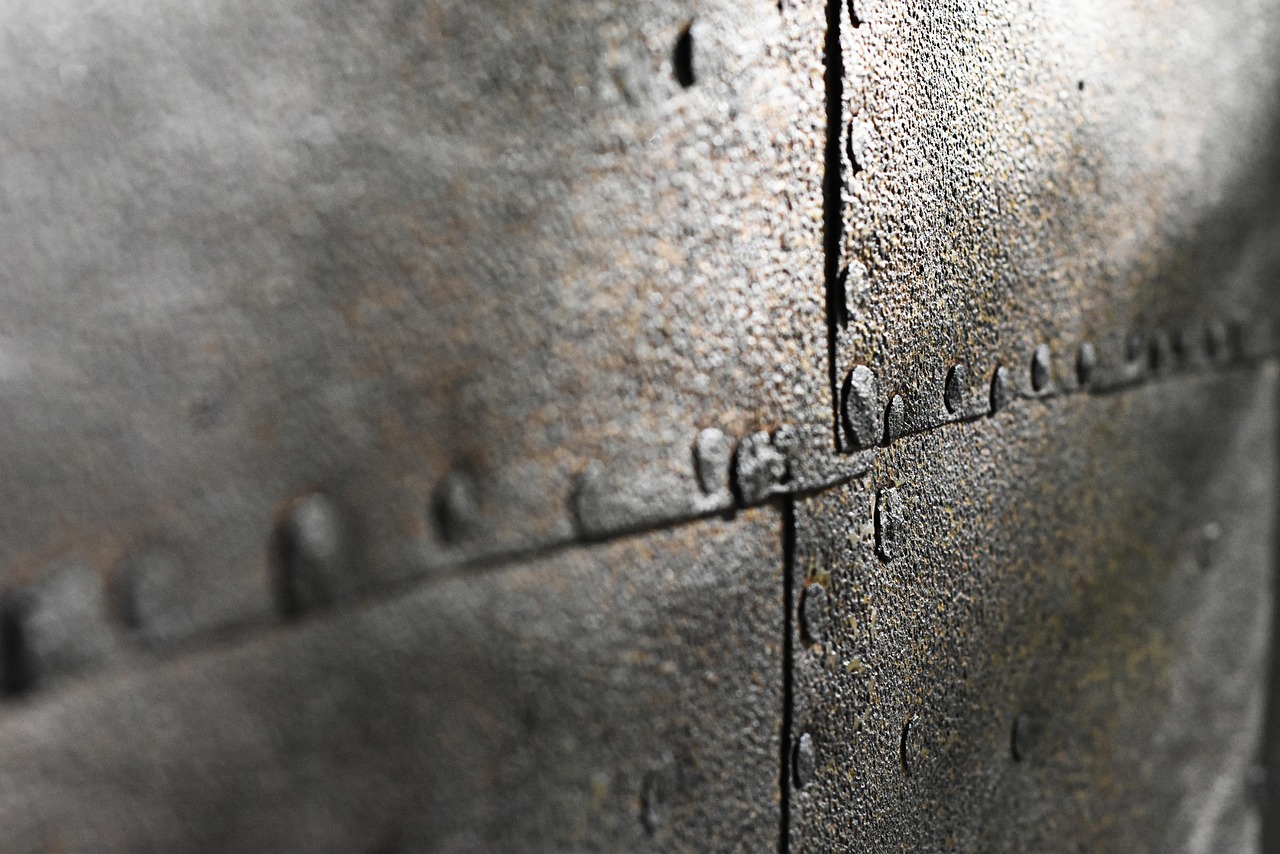
A metal gate near the Mount Pleasant waterfront rarely fails without warning. It leaves a trail of small clues: an orange streak under a weld, a latch that no longer meets its catch, a motor that hesitates on a cold morning. Reading those clues in the right order is the difference between a quick touch-up and a full rebuild.
Salt air is the main enemy here. Homes near the harbor, Shem Creek, the Old Village waterfront and the marsh edges see faster corrosion than inland lots, and sand carried on the wind acts like a mild abrasive on any coating that is already thin. Sandy soil and a high water table add a second problem, because posts that hold a gate are not as firmly anchored as they look.
Many gates also carry moving electronics, and a gate operator adds a second set of failure points on top of the steel: safety sensors, backup batteries, control boards and the manual release. The sections below start with the metal itself and then move to the hardware and the motor.
Start Low: Where Rust Almost Always Begins
Water, sand and salt settle on low horizontal members, so the bottom rail and the lowest welds are the first places to inspect. Rust usually starts there and works upward. Crouch down once a season and look at the underside of the bottom rail, the corners where pickets meet it, and the base of each post.
Hollow tubes rust from the inside
Many gates are built from hollow tube, and those rust from the inside out. Look for small drain holes at the low points of each tube and keep them clear of dirt and paint. A tube that rattles with flakes when you tap it, or one that weeps orange streaks from a seam, is corroding internally. Surface treatment will not fix that, and the affected section usually needs to be cut out and replaced.
Blisters mean the rust is already there
Bubbling or blistered paint tells you rust has formed under the coating, even if the surface still looks intact. Real repair means taking the area back to sound metal with a wire brush or grinder, then priming and applying a topcoat. Painting over the bubble only hides it, and the rust keeps spreading underneath.
For steel in coastal exposure, a zinc-rich primer under the topcoat protects far better than paint alone. Touch up chips and scratches promptly, because salt finds exposed steel quickly. A small scratch left through a wet season can become a patch of scale by the next one.
The Weld Repair That Becomes the Next Rust Spot
Welding burns off galvanizing and powder coat in the heat zone around the joint. A cracked weld that has been rewelded but left bare is not finished, it is a new weak point waiting for the next humid week. After any weld repair, the area needs cold galvanizing or zinc primer plus a topcoat. If a repair on your gate was left with bare, dark weld metal, that spot is worth coating right away.
Know What Your Gate Is Made Of
Material matters on the coast, and none of the common choices is maintenance free.
- Hot-dip galvanized steel and aluminum generally hold up better than bare or simply painted steel, but galvanized steel still needs care near salt water.
- True wrought iron and plain mild steel both depend on committed coating maintenance.
- Powder coating is tough, but it does not last forever without touch-ups in coastal air.
- Stainless steel is not immune. In salt air it can stain and pit.
- Aluminum can pit and corrode too, especially where it touches another metal.
Mixed metals eat each other
Contact between different metals causes galvanic corrosion, and salt air speeds it up. Stainless fasteners in aluminum, or steel hardware on an aluminum frame, can eat away the softer metal around the bolt. The fix is matched fasteners or isolating washers. When you replace a hinge, latch or bracket, check that the new hardware suits the gate material rather than just fitting the hole.
When a Swing Gate Sags, Check the Post First
A sagging swing gate is often a post problem, not a hinge problem. Before buying new hinges, hold a level against the hinge post. If it leans, new hinges will only hide the symptom for a few months. Sandy soils and a high water table let posts drift over time, and the gate follows.
The earliest sign is usually at the latch end. A latch that no longer lines up, or a gate that starts dragging near the catch, points to movement. Measure the gap on the latch side each season and write it down. A change you can see on paper shows up long before the gate binds.
Ground movement can also come from above. Live oak roots lift pavers and driveway slabs, and a gate that once cleared the surface can start to scrape. If a gate suddenly drags, look at the ground under its swing path as well as the hardware.
Hinges and pins
Hinges need regular lubrication with a grease or lubricant suited to outdoor metal. Check for worn pins and elongated barrels, since a loose hinge lets the gate drop and rack. Weld-on barrel hinges with grease fittings should be greased on a schedule rather than left until they squeal.
Testing the Motor Side of an Automated Gate
Automatic gates need regular safety testing, and they are not set-and-forget equipment. A few checks are worth building into a routine:
- Test the safety reversal. Place a solid object in the gate's path and confirm the gate stops and reverses.
- Check the photo eyes. Make sure they are clean, aligned, and that the gate stops when the beam is blocked.
- Learn the manual release before you need it. Power outages during storms are common in the Lowcountry, and a locked operator can trap a car in the driveway.
- Test the backup battery a couple of times a year by running the gate with main power off. Batteries lose capacity faster in heat, so replace any that struggle.
Fire ants, humidity and surges
Control boxes attract fire ants, which are common in the Lowcountry and can short out boards. Humidity corrodes terminals as well. Open the enclosure, check the seals, and look for nesting or green corrosion on connections.
Lightning and power surges can damage control boards. A surge protector on the operator circuit and a sound ground connection reduce that risk.
Sliding gates and their tracks
Sliding gate tracks collect sand, pine straw and live oak leaves. Debris makes wheels jump the track or strains the motor, so keep the track clear. Check the rollers and wheel bearings for wobble or flat spots, since a worn wheel puts extra load on everything else.
Low Lots, King Tides and Flooded Equipment
On low-lying lots and streets that flood during king tides or heavy rain, ground-level operators, in-ground tracks and buried wiring are at risk. Saltwater damages motors and electronics even after they dry out, and a unit that restarts may still be failing inside. Have flooded components inspected rather than just switching them back on.
Before and After a Hurricane
Before a storm, secure gates so they cannot swing or slam. Latch and chain them closed, or tie them open against a solid stop, and disconnect power to the motor. Afterward, inspect for bent rails, cracked welds, loosened posts and debris in tracks before running any motor. Forcing a gate that is out of square can turn a bent rail into a burned-out drive.
Small Habits That Slow the Wear
Some of the cheapest protection has nothing to do with tools.
- Rinse with fresh water. Do it regularly, and more often after windy onshore weather.
- Redirect sprinklers. Irrigation overspray keeps a gate constantly wet and can leave mineral or iron stains that speed corrosion.
- Trim plantings back. Jasmine or ivy trained onto a gate holds moisture against the metal and hides rust. Keep vines off the gate and the hinges.
- Test pool gates. A pool gate should self-close and latch from any open position. Open it partway and let go. If it stalls or fails to latch, adjust or replace the spring hinges and latch.
Check the Neighborhood Rules First
Some Mount Pleasant communities, including planned neighborhoods such as I'On, have an architectural review board. If a repair would change the gate's style, color or size, ask before work begins. Approval steps vary by community, and a like-for-like repair is much easier to approve than a redesign.
Deciding Between Touch-Up and Repair
Surface rust, chipped paint and a dry hinge are jobs for a wire brush, primer and grease. Rust at the bottom of a hollow tube, cracked welds, a leaning post, a motor that reverses unreliably or a board eaten by ants are different. Those call for someone who can cut, weld, re-coat and test the result. Catching them early, with a seasonal walk around the gate and a few minutes with a level and a notebook, keeps the repair small.